
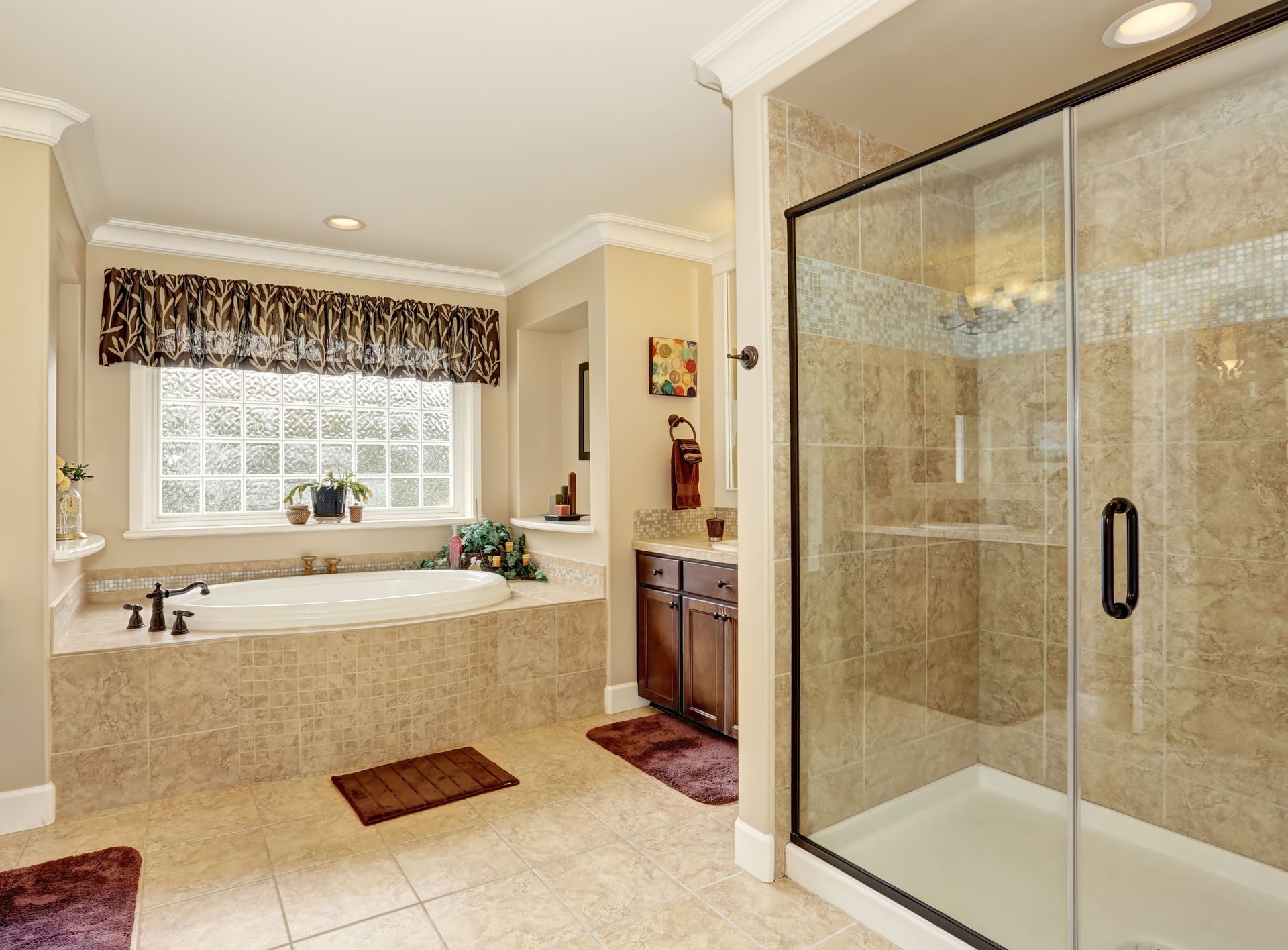
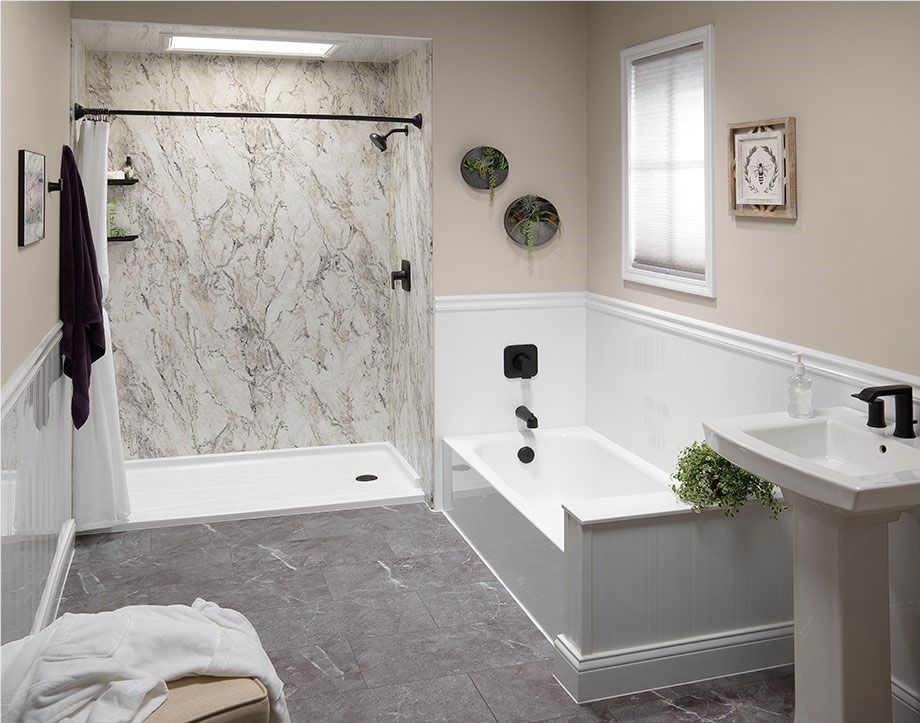
There are many reasons why homeowners choose a bathroom remodel . Some may just need a more functional living environment, while others may be remodeling to resell. While you’re putting in the work for an up sale, you don’t want to compromise the whole purpose by choosing the wrong colors. However, the colors of your home can deter potential homebuyers. That dark red wall may go great with your décor; however, people need to be able to see themselves in your home. If you’re remodeling, here are a few neutral colors to consider. Bright White There are places in your home to go bold. You can reface your bathroom cabinets in a darker color or install an active pattern bath wall surround . However, you’ll need to balance that look elsewhere. A bright white color will illuminate the room and mix well with bolder colors. Cool Off-White Potential homebuyers can easily envision their preferences with off-white schemes. For a classic look, consider a cool off-white color. This color hue provides a clean canvas to accompany all types of décor. Creamy Colors Yellow is the undertone of a creamy white color. It’s clean and can pair with other whites for a farmhouse motif. This color also pairs well with dark accents such as faucet fixtures, for a calming effect. Bone Between white and beige is the color Bone. Not white, but also not as yellow as a beige. Bone is a wonderfully neutral color that can pair well with dark-colored walls in a bathroom remodel or serve as a backdrop with the addition of a bold cabinet installation. Beige However, for a truly warm feel, there is the classic beige option. Beige can be found in various colors, from sandy fawn to yellow. Using beige in your color scheme will bring a warm and welcoming vibe, which any potential homebuyer can appreciate. If you’re considering a bathroom remodel , speak with the experienced design team at Sho-Pro of Indiana. They can help you choose designs and color combinations that will upgrade the value of your home while providing a welcoming environment. Give them a call for a free quote.
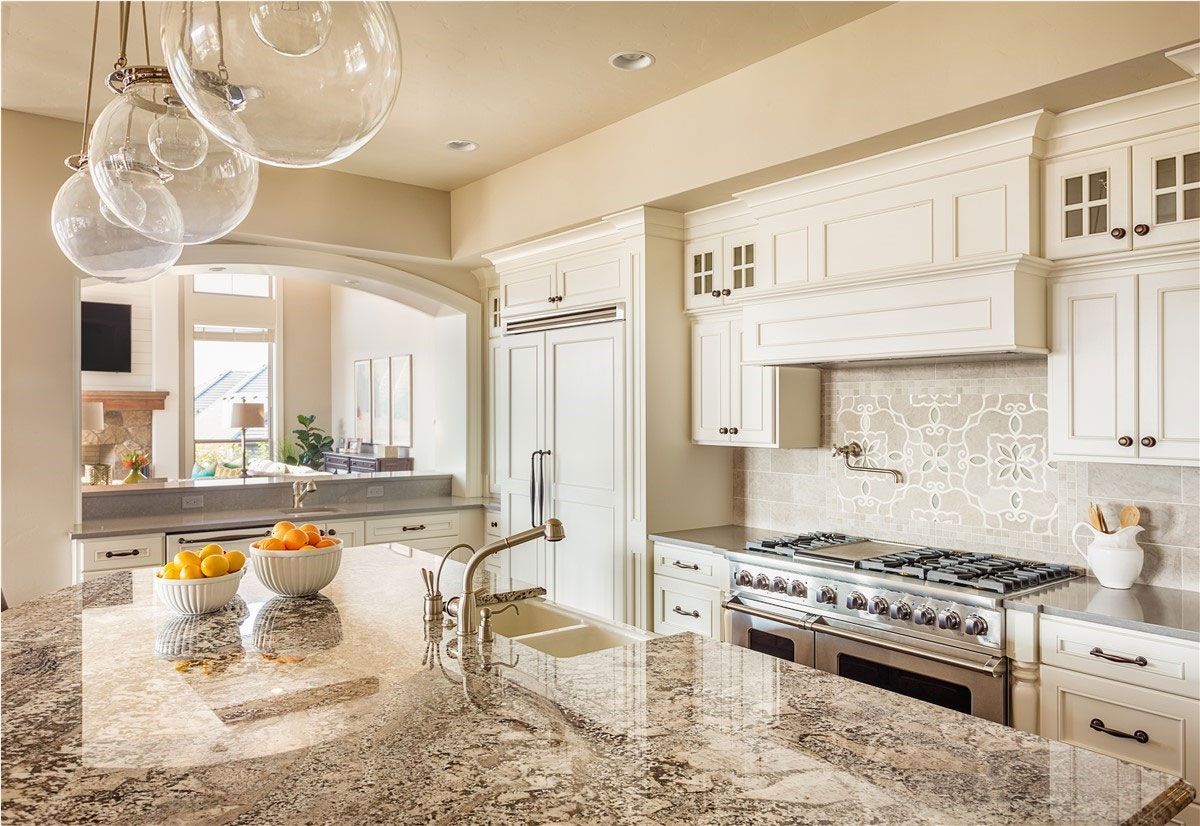
When deciding to update your kitchen, you’ll likely find yourself asking, “Should I get kitchen cabinet refacing or invest in new custom cabinets?” The answer ultimately depends on a variety of factors, including budget and desired aesthetic. That is why, as an experienced kitchen remodeling company, we here at Kitchen & Baths by Sho-Pro will go over if you should choose cabinet refacing or getting custom kitchen cabinets installed. Choosing Cabinet Refacing If you have a limited budget but want to give your kitchen a refreshing new look, then consider opting for cabinet refacing. This process involves replacing the existing doors and drawer faces with new ones and applying a laminate or wood veneer over existing cabinets. Cabinet refacing is significantly less expensive than installing all-new cabinetry and typically takes about 1-3 days to complete. So, if you decide on cabinet refacing, then make sure: You Already Like Your Current Kitchen Aesthetic Your Cabinets Are Structurally Sound Investing In Custom Kitchen Cabinets On the other hand, if you are looking for more of an overhaul for your kitchen, then custom kitchen cabinets might be right for you. Custom cabinets provide more versatility when it comes to design and style, allowing you to choose the exact materials, finishes, and hardware that best suits your vision. Additionally, since they are built from scratch according to your exact specifications, custom kitchen cabinets, such as solid wood cabinets , can often last much longer than their refaced counterparts. If you decide you want new kitchen cabinets installed, then make sure that you are aware of their: Longer Installation Times Higher Costs Choose The Right Service For Your Kitchen Cabinets Whichever route you decide to take with your kitchen cabinet upgrade—cabinet refacing or new custom cabinetry—make sure to work with an experienced contractor who can guide you through the process and ensure that all of your needs are met, like us here at Kitchen & Baths by Sho-Pro! When it comes to our custom kitchen cabinet and cabinet refacing services, we offer free pricing estimates when you fill out our online form. So, don’t hesitate and get started on your service today!
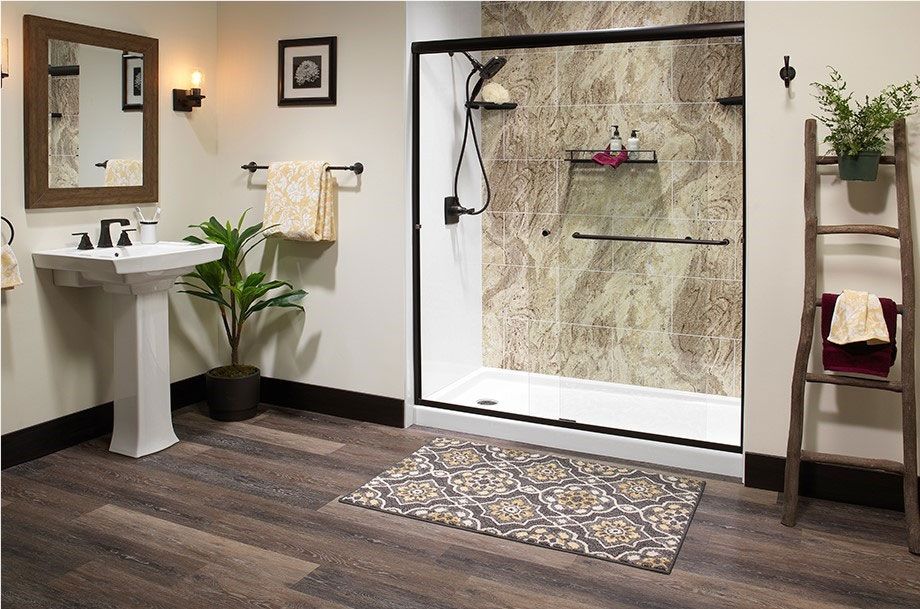
When you look at your home's bathroom, what do you see? Do you see a lovely space inviting you to relax and unwind at the end of a long day? Or do you see an area that you'd rather avoid? If so, then perhaps you've considered remodeling your room. In this blog, we'll go over the top three reasons to remodel your bathroom. But before we do that, you might want to know more about us. Since 1983, Sho-Pro of Indiana has been a top-rated bathroom remodeling company offering a wide range of solutions for your home. Known as the most comprehensive bathroom remodeler in Central Indiana , we're proud to bring our customers solutions that transform their spaces. Let's review the top three reasons you should consider remodeling your bathroom. Enhanced Safety The bathroom can often be dangerous with slippery floors and surfaces. Especially if you or a loved one is living with limited mobility issues, you need solutions to create a safer environment. With this in mind, we're proud to offer bathroom conversion services that bring you peace of mind. Walk-in tub installation is a great way to achieve a space that gives you or a loved one freedom, independence, and safety while bathing. Mold and Mildew Growth No matter how often or how intensely you clean your bathroom, it's always possible for mold and mildew to grow. And for those living with allergies or breathing issues, mild growth can become dangerous. Because of this, you should consider tub replacement to get rid of any mold and mildew issues. We offer top-of-the-line tubs complete with Microban technology that prohibits the growth of mold and mildew, leading to simpler maintenance and cleaning. Increased Home Value There's no better and more cost-effective way to raise the overall value of your home than to consider remodeling your bathroom. Consider options like shower replacement with added features as a way to make the value of your home skyrocket. A few other remodeling projects that can raise the value of your home are: Wall Surrounds Shower Liners Shower Doors Call Our Team Today If you know that your bathroom is in need of some updating and you need a bathroom remodeling company that you can count on, then you'll want to work with the team of experts at Sho-Pro Indiana. For over four decades, we've been the most trusted name in Indiana, offering a wide range of solutions that help you to transform your bathroom. Give us a call today or fill out the online form for your free, no-obligation estimate.